BLOG
Suspendisse pulvinar metus vitae finibus interdum
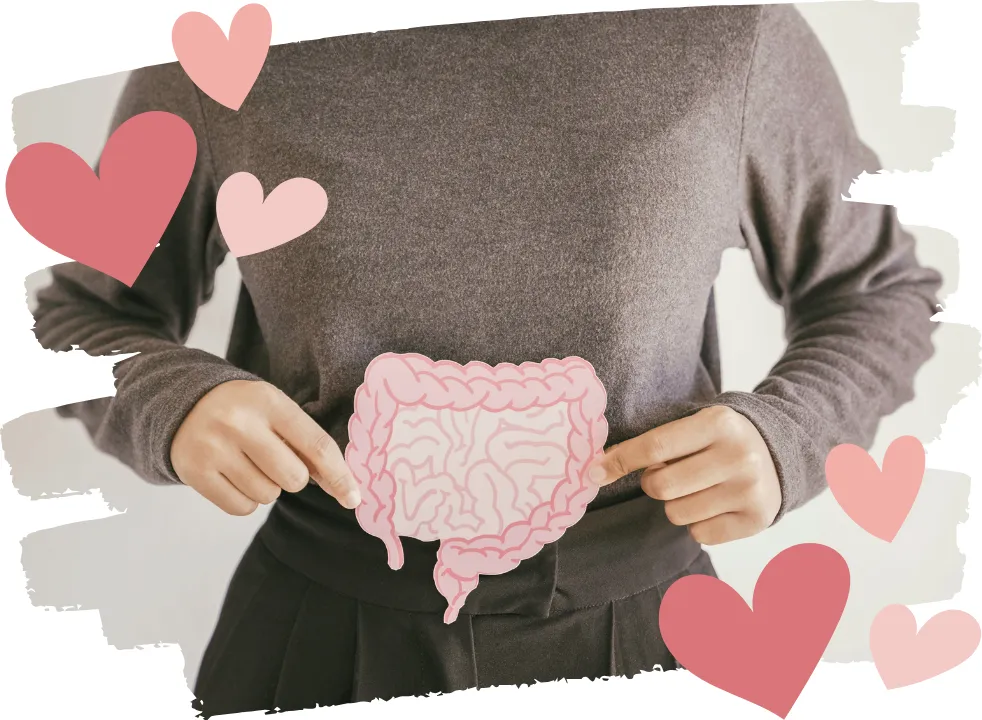
Why Perimenopause Wrecks Your Gut (And Why It’s Not “Just Stress”)
✨ Perimenopause Power Moves: 5 Simple Nutrition Shifts to Help You Feel Like Yourself Again! ✨
Grab your free guide today!
👉 Download Now!
Why Perimenopause Wrecks Your Gut (And Why It’s Not “Just Stress”)
“Our mothers were largely silent about what happened to them as they passed through this midlife change. But a new generation of women has already started to break the wall of silence.” ~ Trisha Posner
If food has suddenly stopped loving you back…
If bloating shows up out of nowhere…
If constipation, diarrhea, gas, or stomach pain rotate like a bad schedule…
You’re not imagining it.
And no, it’s not just stress.
Perimenopause digestive issues are incredibly common, yet they’re one of the least talked-about symptoms of this transition. Many women are told they have IBS, anxiety, or food sensitivities, without anyone explaining the real reason digestion suddenly feels so unpredictable.
Here’s the truth: your gut is deeply hormone-sensitive. And during perimenopause, those hormones are anything but steady.
Hormones and Digestion: What’s Actually Changing
Digestion isn’t just about what you eat; it’s about how your body processes it. And hormones and digestion are closely linked.
During perimenopause, estrogen, progesterone, and cortisol don’t gradually decline. They fluctuate, sometimes dramatically. These shifts directly affect:
gut motility
inflammation
stomach acid production
gut bacteria balance
tolerance to foods you’ve eaten for years
This is why perimenopause gut health can feel so confusing. One week digestion feels manageable, the next it feels completely off.
Your gut isn’t failing; it’s responding to hormonal instability.
Estrogen, the Gut, and Why Bloating Suddenly Appears
Estrogen plays a powerful role in digestion. It influences inflammation and interacts with gut bacteria that help metabolize and recycle hormones.
When estrogen fluctuates during perimenopause:
inflammation can increase
fluid retention in the gut rises
bloating and abdominal pressure become more noticeable
Many women experience bloating during perimenopause even when their diet hasn’t changed. That’s because estrogen affects how the gut handles gas, inflammation, and motility - not just food quantity.
This is why bloating can feel constant, stubborn, and completely unrelated to what you ate.
Progesterone, Slower Digestion, and Constipation
Progesterone has a calming effect on the body, including the digestive tract. It relaxes smooth muscle, which normally helps digestion move along smoothly.
During perimenopause, progesterone often declines earlier or fluctuates more than estrogen. When that happens:
gut motility slows
digestion feels heavier
constipation during perimenopause becomes more common
Many women who’ve never struggled with constipation suddenly find themselves uncomfortable, backed up, or irregular. Again, not random, and not your fault.
Cortisol, Stress, and the Gut–Brain Connection
This is where digestion and anxiety collide.
Cortisol, your primary stress hormone, directly impacts digestion. When cortisol is elevated, from poor sleep, chronic stress, or hormonal shifts, your body prioritizes fight-or-flight, not rest-and-digest.
In this state:
stomach acid decreases
digestion slows
bloating and discomfort increase
This is why anxiety often shows up in the stomach first during perimenopause. The gut–brain connection in perimenopause becomes more sensitive, not weaker.
👉 Check out this blog for more: Gut Instincts: How Hormones Hijack Your Digestion in Perimenopause (and What You Can Do)
Why the Gut–Hormone Connection Is Often Missed
Digestive symptoms during perimenopause are frequently dismissed because:
standard tests come back “normal”
symptoms fluctuate
many women are still cycling
So digestion issues get labeled as stress, IBS, or food intolerance, without acknowledging the hormonal context.
But perimenopause changes the environment digestion operates in. When hormones fluctuate, digestion responds.
Understanding that connection is often the missing piece.
What Actually Helps (Without Overhauling Your Life)
Supporting digestion during perimenopause doesn’t require extreme protocols or cutting out entire food groups.
What often helps most:
eating regular meals to support blood sugar
prioritizing adequate protein
increasing fiber slowly, not aggressively
gentle movement like walking after meals
nervous system support (breathing, consistency, rest)
proper hydration (electrolytes can be helpful for some women)
Small, steady support is usually more effective than drastic change.
Can Perimenopause Cause Digestive Issues?
Yes. Hormonal fluctuations during perimenopause affect gut motility, inflammation, stomach acid, and the nervous system’s communication with the digestive tract. This can lead to bloating, constipation, diarrhea, and new food sensitivities, even if digestion was never an issue before.
Why do digestive symptoms feel so random in perimenopause?
Because estrogen and progesterone fluctuate rather than steadily decline. That hormonal unpredictability creates digestive inconsistency.
When It’s Worth Digging Deeper
While digestive changes are common, it’s important to seek further support if you experience:
persistent or worsening pain
unexplained weight loss
blood in stool
symptoms that interfere with daily life
Advocating for yourself matters, especially during this transition.
You’re Not Broken: Your Body Is Adapting
If digestion feels unpredictable right now, you’re not doing anything wrong. Your body is navigating a massive hormonal shift, and the gut is often one of the first places that shows up.
Understanding the hormone–digestion connection can be incredibly relieving - and empowering.
👉For another great read, check out: Intuitive Eating in Perimenopause: Trust Your Gut (Literally)
Hormonally yours,
Kimberlee Erin
Just a heads-up: I’m a Certified Menopause Coaching Specialist and Holistic Nutritionist, and while I love sharing what’s worked for me and my clients, this blog is for informational purposes only. It’s not a substitute for medical advice. Always check in with your healthcare provider before starting new supplements, hormones, or treatments—especially since every woman’s perimenopause journey is different. You deserve personalized care that truly fits you.


FREE DOWNLOAD
Headline that hooks people in and makes them want to sign up.
Add a subline here lorem ipsum dolor sit amet, consectetur adipiscing elit praesent ut neque ipsum mauris sit amet urna consectetur
© Copyright 2022 Business Name.