Strength Training After 40: Why Women Need Resistance Training for Muscle, Metabolism, and Bone Health
✨ The Go-To Hormone-Loving Meal Guide: Simple, Supportive Meals for Perimenopause ✨
When food decisions feel exhausting, this helps.
👉 Download the free guide!✨ Perimenopause Power Moves: 5 Simple Nutrition Shifts to Help You Feel Like Yourself Again! ✨
Grab your free guide today!
👉 Download Now!
Strength Training After 40: Why Women Need Resistance Training for Muscle, Metabolism, and Bone Health
“Every hour, complete 10 to 20 air squats. Stand at your desk. Get your heart rate up with a brisk walk to the bathroom or water fountain 10 times a day. Bring a resistance band to your office to get in a quick 10-rep set of bicep curls between tasks.”
~ Gabrielle Lyon, Forever Strong™: A New, Science-Based Strategy for Aging Well
If you’ve been following along in this series, you already know two important things.
First, skeletal muscle is one of the most powerful drivers of long-term health.
In my previous article, Muscle Is Medicine: Why Women Over 40 Need to Protect Their Skeletal Muscle, I explained why maintaining muscle becomes increasingly important as we age.
Second, nutrition plays a critical role in supporting that muscle.
In Build Your Muscle-Supporting Plate: How Women Over 40 Should Eat for Strength and Energy, we explored how prioritizing protein and building balanced meals can help protect muscle and support metabolism.
But there’s another piece of the puzzle.
Resistance training after 40 is one of the most powerful ways women can maintain skeletal muscle, support metabolism, and protect bone health.
Muscle doesn’t grow just because we eat more protein.
It grows because we use it.
And that’s where resistance training comes in.
Now before anyone panics and imagines flipping tractor tires or spending two hours a day in the gym — that’s not what we’re talking about here.
Resistance training simply means challenging your muscles enough that they adapt and become stronger.
And for women over 40, that becomes one of the most important investments you can make in your long-term health.
Why Muscle Loss Accelerates After 40
Starting in our 30s, we naturally begin losing muscle mass. This gradual decline is known as sarcopenia.
At first, the changes can be subtle.
Maybe you feel a little less strong than you used to.
Maybe workouts take longer to recover from.
But during perimenopause, these changes often become more noticeable.
Hormonal shifts — particularly declining estrogen — can accelerate muscle loss and contribute to changes in metabolism and body composition.
That’s when many women begin noticing things like:
• strength declining
• metabolism slowing
• body composition changing
• energy feeling lower than it used to
It can feel confusing — especially if you’re still eating well and staying active.
But the body simply needs a stronger signal to maintain muscle as we age.
Resistance training provides that signal.
What Is Resistance Training?
Resistance training is any type of exercise where your muscles work against resistance.
That resistance can come from:
• dumbbells
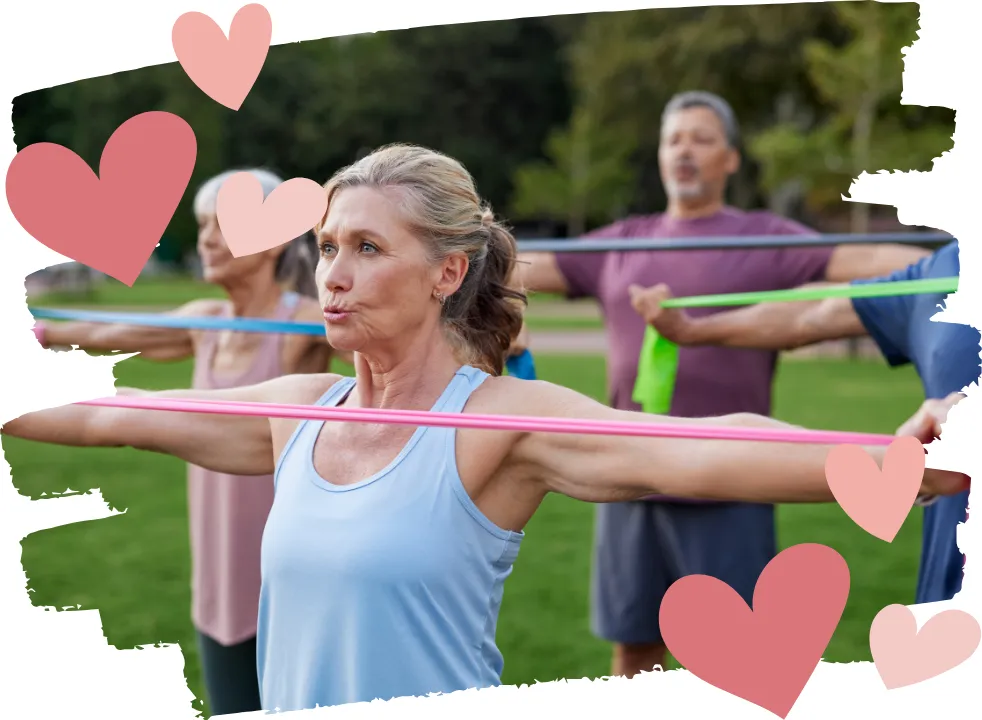
• resistance bands
• kettlebells
• weight machines
• bodyweight exercises like squats or push-ups
In other words, you don’t need complicated gym routines or hours of workouts.
You simply need to challenge your muscles enough that they respond and adapt.
Because muscles are remarkably responsive.
Give them a reason to stay — and they usually will.
How Strength Training Supports Metabolism
Skeletal muscle is metabolically active tissue, meaning it plays an important role in how your body uses energy.
Maintaining healthy muscle mass helps support:
• better blood sugar regulation
• improved insulin sensitivity
• more stable energy levels
• a more resilient metabolism
This is one reason many women notice that endless cardio stops producing the same results in midlife.
Cardio is fantastic for heart health.
But strength training helps maintain the muscle that keeps metabolism functioning well.
Resistance Training Is One of the Best Things You Can Do for Bone Health
Here’s something many women don’t realize:
Bones respond to stress and load.
When you place healthy stress on bones through resistance training, the body responds by strengthening them.
This becomes especially important after menopause, when bone density naturally declines and the risk of osteoporosis increases.
Strength training can help:
• maintain bone density
• reduce risk of osteoporosis
• improve balance and stability
• lower risk of fractures later in life
The areas most vulnerable to bone loss — hips, spine, and wrists — are also the areas that benefit significantly from strength training.
In other words, lifting weights isn’t just about muscles.
It’s also about protecting your skeleton for the decades ahead.
How Often Should Women Over 40 Strength Train?
The good news is that you don’t need to live in the gym to see benefits.
Most research suggests that women over 40 benefit from two to three strength-training sessions per week to support muscle and bone health.
Focus on exercises that target the major muscle groups:
• legs
• hips
• back
• chest
• shoulders
• arms
• core
Consistency matters far more than perfection.
Even small steps toward resistance training can have a powerful impact over time.
Beginner-Friendly Strength Training Exercises
If you’re new to resistance training, simple movements are often the best place to start.
Examples include:
• squats
• lunges
• push-ups
• rows
• deadlifts
• resistance band exercises
These movements train multiple muscle groups and build functional strength that supports everyday activities.
Think of it less like “working out” and more like teaching your body to stay capable.
Strength Training and Protein: Why Both Matter
Resistance training sends the signal to your body to maintain and build muscle.
Protein provides the raw materials your body needs to repair and strengthen that muscle.
Together, they form a powerful partnership for supporting skeletal muscle, metabolism, and long-term health.
But here’s something that often surprises people.
Protein isn’t only important for people who exercise regularly.
Women who are less active may actually need to be especially mindful of their protein intake.
When muscles aren’t regularly challenged through movement or resistance training, the body tends to lose muscle mass more quickly over time. Prioritizing adequate protein can help slow that muscle loss and support metabolic health, even before someone begins a structured exercise routine.
That’s why many experts recommend women aim for roughly:
0.7–1 gram of protein per pound of body weight per day, especially as they age.
Resistance training tells your body to keep the muscle.
Protein gives your body the tools to rebuild it.
Together, they support:
• skeletal muscle
• metabolism
• bone health
• strength and mobility
• long-term independence
The Bottom Line
Midlife is often framed as the stage of life when everything begins to decline.
But it can also be the stage when women become stronger, more capable, and more resilient than ever.
For women over 40, resistance training is one of the most effective ways to protect skeletal muscle, support metabolism, and maintain bone health.
When you combine:
• resistance training
• protein-rich nutrition
• consistent movement
you support the very systems that keep your body strong as you age.
Muscle.
Metabolism.
Bone health.
And the best part?
It’s never too late to start building strength.
Your future self will thank you.
Hormonally yours,
Kimberlee Erin
Just a heads-up: I’m a Certified Menopause Coaching Specialist and Holistic Nutritionist, and while I love sharing what’s worked for me and my clients, this blog is for informational purposes only. It’s not a substitute for medical advice. Always check in with your healthcare provider before starting new supplements, hormones, or treatments—especially since every woman’s perimenopause journey is different. You deserve personalized care that truly fits you.


