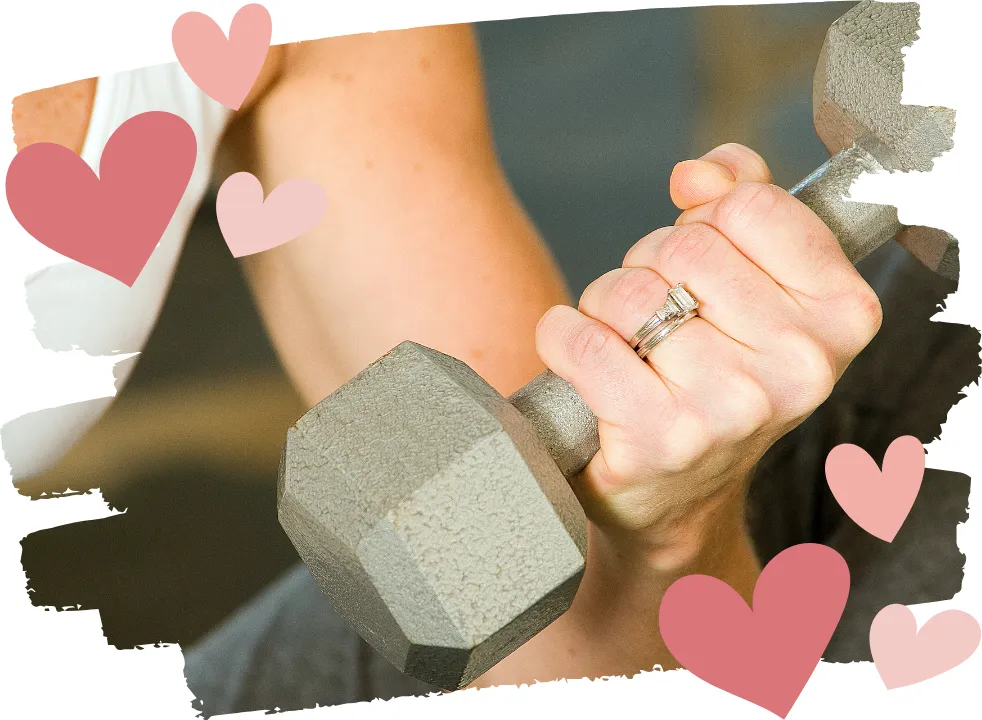
Muscle Is Medicine: Why Women Over 40 Need to Protect Their Skeletal Muscle
✨ The Go-To Hormone-Loving Meal Guide: Simple, Supportive Meals for Perimenopause ✨
When food decisions feel exhausting, this helps.
👉 Download the free guide!✨ Perimenopause Power Moves: 5 Simple Nutrition Shifts to Help You Feel Like Yourself Again! ✨
Grab your free guide today!
👉 Download Now!
Muscle Is Medicine: Why Women Over 40 Need to Protect Their Skeletal Muscle
“Every adult should consume at least 1 gram per pound of their ideal body weight each day. In particular, your first and last meals of the day should each contain a minimum of 30 grams of high-quality protein.”
~Gabrielle Lyon, Forever Strong™: A New, Science-Based Strategy for Aging Well
Skeletal muscle may be one of the most important drivers of health and longevity — especially for women over 40.
As hormones shift during perimenopause, protecting skeletal muscle becomes critical for metabolism, strength, energy, and long-term health.
For most of my life, I thought muscle was mostly about strength… or aesthetics.
Something athletes built.
Something bodybuilders obsessed over.
Not something everyday women needed to worry about.
But as I started digging deeper into the science of aging, metabolism, and hormones, I realized something that completely shifted my perspective:
Skeletal muscle is far more than something that helps us move.
Functional medicine physician Dr. Gabrielle Lyon has helped bring attention to this idea, describing skeletal muscle as one of the body’s most powerful drivers of metabolic health and longevity.
And for women entering perimenopause and midlife?
Protecting muscle becomes more important than ever.
Skeletal Muscle: The Organ Most Women Aren’t Thinking About
Most people think of muscle as something that simply helps us move.
But skeletal muscle does far more than that.
It plays a powerful role in regulating:
blood sugar
metabolism
inflammation
immune function
energy production
mobility and physical independence
Skeletal muscle also acts as a reservoir for amino acids, which the body uses to repair tissues, support immune health, and maintain overall resilience.
In other words, muscle is metabolically active tissue. It helps your body manage fuel, regulate energy, and stay strong as you age.
Which is why many experts now describe skeletal muscle as a key organ of longevity.
Why Women are Losing Muscle After 40
Beginning in our 30s, adults gradually begin losing muscle mass in a process known as sarcopenia.
For women, this decline can accelerate during perimenopause.
As estrogen levels fluctuate and eventually decline, several changes can occur:
muscle mass decreases more rapidly
fat storage increases
insulin sensitivity may decline
metabolism becomes less efficient
This is one reason many women feel like their bodies suddenly change in midlife.
You may notice:
strength declining
weight becoming harder to manage
energy levels dropping
recovery from workouts taking longer
It can feel frustrating — especially if you’ve been eating well and staying active for years.
But much of this shift is physiological, not personal failure.
Your body is simply entering a new hormonal phase where protecting skeletal muscle becomes even more important.
The Protein Connection
Muscle requires one key nutrient to maintain and rebuild itself:
Protein.
Protein provides amino acids — the building blocks your body uses to repair and maintain muscle tissue.
The challenge is that many women unknowingly under-eat protein for decades.
Typical meals often revolve around carbohydrates, with protein playing a much smaller role.
A bowl of oatmeal for breakfast.
A salad for lunch.
Pasta or rice-based meals for dinner.
Then midlife arrives, metabolism shifts, muscle begins to decline, and suddenly the strategies that once worked stop working.
Energy dips.
Muscle mass decreases.
Weight becomes harder to manage.
How Much Protein Do Women Over 40 Need to Maintain Muscle?
To support skeletal muscle health, many experts now recommend that women aim for roughly 0.7 to 1 gram of protein per pound of body weight per day.
For a 150-pound woman, that’s roughly 105–150 grams of protein daily.
This may sound like a lot at first, but research increasingly shows that higher protein intake helps preserve muscle mass, support metabolism, and maintain strength as we age.
Unfortunately, many women are eating far less than this.
Typical meals often look something like this:
• oatmeal or toast for breakfast
• a salad for lunch
• a pasta or rice-based dinner
“If you continue to eat and train like the typical twentysomething-year-old, you will start to put on fat and further push the envelope of muscle-health decline.”
~ Gabrielle Lyon,
While these foods can certainly be part of a healthy diet, they often don’t provide enough protein to support skeletal muscle, especially during perimenopause when muscle loss can accelerate.
If you'd like to learn more about why protein becomes so important during midlife, you may enjoy my blog: Flex Appeal: Why Women Over 40 Need More Protein Than Ever
Increasing protein intake can feel overwhelming at first, especially if you're not used to building meals around it. If you'd like step-by-step guidance, I created the Protein Power Challenge: 10 Days to Boost Your Energy, Strength & Hormonal Health, which walks you through simple ways to increase protein intake and build meals that support strength, energy, and hormone health.
Strength Training: The Other Half of the Equation
Eating protein is essential, but nutrition alone isn't enough.
Muscle also needs a stimulus to grow or maintain itself.
That stimulus is resistance training.
Strength training sends a signal to your body that muscle tissue is needed. When combined with adequate protein intake, it encourages the body to preserve and rebuild muscle.
This doesn’t mean you need to become a bodybuilder.
Simple resistance training can include:
lifting weights
bodyweight exercises
resistance bands
strength-based yoga or Pilates
Even a few sessions per week can significantly support skeletal muscle health during perimenopause and beyond.
Why Protecting Skeletal Muscle Matters After 40
When people hear the word “muscle,” they often think of appearance.
But skeletal muscle plays a much bigger role in overall health.
Healthy muscle supports:
✔ blood sugar stability
✔ metabolic health
✔ stronger bones
✔ balance and mobility
✔ reduced risk of falls later in life
✔ greater independence as we age
Muscle helps keep us capable — physically, metabolically, and mentally.
In other words, muscle isn’t just about strength.
It’s about resilience.
The Midlife Shift: Rethinking How We Support Our Bodies
Many of us were taught to focus on things like calories, dieting, or endless cardio when it came to health and weight.
But midlife often requires a different approach.
Instead of trying to eat less and move more, the focus shifts toward:
prioritizing protein
protecting skeletal muscle
strength training regularly
nourishing the body with balanced meals
prioritizing sleep and recovery
You might also enjoy this article on why many traditional health habits stop working in midlife: Why Your Old Healthy Habits Backfire in Perimenopause
Midlife is less about shrinking ourselves and more about building a body that stays strong, energized, and resilient for decades to come.
The Bottom Line
Midlife is often framed as a time when everything starts to decline.
But it can also be a powerful opportunity to support the body in a deeper, more intentional way.
Protecting skeletal muscle is one of the most important things women can do to support metabolism, energy, and long-term health.
Muscle isn’t just about strength.
It’s about independence, vitality, and longevity.
And the good news?
It’s never too late to start building it.
Hormonally yours,
Kimberlee Erin
Just a heads-up: I’m a Certified Menopause Coaching Specialist and Holistic Nutritionist, and while I love sharing what’s worked for me and my clients, this blog is for informational purposes only. It’s not a substitute for medical advice. Always check in with your healthcare provider before starting new supplements, hormones, or treatments—especially since every woman’s perimenopause journey is different. You deserve personalized care that truly fits you.


