Why Your Body Suddenly Hurts Everywhere After 40 (And How to Actually Feel Better)
✨ The Go-To Hormone-Loving Meal Guide: Simple, Supportive Meals for Perimenopause ✨
When food decisions feel exhausting, this helps.
👉 Download the free guide!
✨ Perimenopause Power Moves: 5 Simple Nutrition Shifts to Help You Feel Like Yourself Again! ✨
Grab your free guide today!
👉 Download Now!
Why Your Body Suddenly Hurts Everywhere After 40 (And How to Actually Feel Better)
“You’re not falling apart; your hormones are just doing the cha-cha on your musculoskeletal system.” - Kimberlee Erin
If you’ve noticed your shoulders, hips, back, or literally everything hurting more lately… welcome to perimenopause.
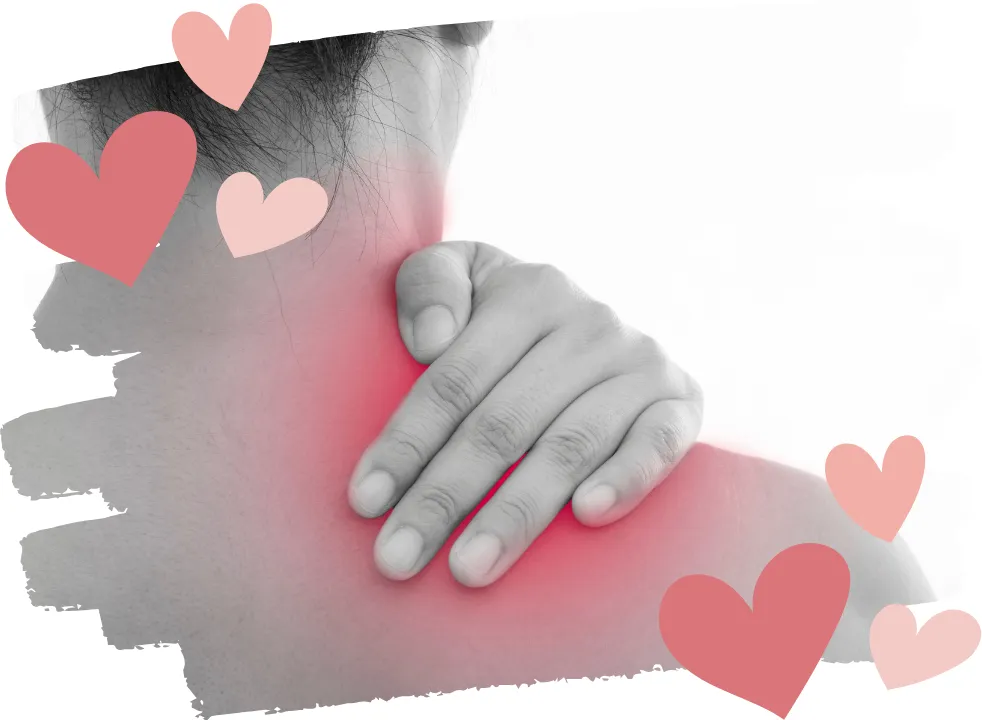
For well over a year, I’ve felt this deep, irritating soreness in my shoulders.
Not from lifting heavy.
Not from sleeping weird.
Not from contorting myself into a pretzel in yoga.
Just… sore.
Every. Single. Day.
And it didn’t arrive dramatically - it crept in like an unwanted houseguest. A pinch here, stiffness there, until suddenly my shoulders weren’t moving the way they used to. My mobility felt limited. My upper back felt tight no matter how much stretching I did. And I found myself thinking, Is this just midlife? Seriously?
If you’re nodding along, you’re not alone.
And no, you’re not broken.
This is one of the most under-discussed symptoms of perimenopause:
👉 Your body starts feeling stiff, tight, sore, slow to recover, and weirdly fragile… even when you're doing everything “right.”
Let’s unpack why - and what actually helps.
Why Everything Hurts More in Your 40s (Yes, It’s Hormonal)
Perimenopause affects every part of your musculoskeletal system:
muscles
joints
tendons
ligaments
fascia
recovery
inflammation
Here’s what’s actually going on under the hood:
1. Estrogen Drops = Stiffer Everything
Estrogen keeps your connective tissues:
supple
lubricated
hydrated
elastic
When estrogen drops, everything becomes:
tighter
dryer
less flexible
more injury-prone
That shoulder stiffness you can’t stretch away?
That’s hormones - not age.
2. Recovery Slows Down
Estrogen plays a huge role in muscle repair and recovery.
When it fluctuates, you recover slower from… well, everything.
workouts
lifting groceries
long walks
bad sleep
stress
DOMS (Delayed Onset Muscle Soreness) hangs around longer.
A “light workout” hits like a CrossFit Games event.
And soreness lingers for days.
3. Tendons + Ligaments Lose Some Bounce
Lower estrogen = reduced collagen turnover.
This especially affects shoulders because the joint is:
complex
highly mobile
sensitive to hormonal changes
Result:
sticky rotation
pinchy feelings
upper trap tightness
mobility that used to be easy… suddenly isn’t
4. Stress Tightens Everything
Cortisol (hi, perimenopause) tightens muscles — especially:
shoulders
jaw
neck
upper back
Add poor sleep, anxious thoughts at 3am, and midlife responsibilities?
You’ve got a tension cocktail.
5. Poor Sleep Amplifies Pain
Perimenopause sleep is choppy.
And broken sleep amplifies pain signals.
So yes, you really do hurt more when you’re exhausted.
6. Hormone Therapy Can Make a Massive Difference
And here’s where I bring in my lived experience, because this part truly changed things for me.
Estrogen and testosterone impact muscle repair, joint health, mobility, collagen, inflammation, and sleep.
When they plummet or swing wildly, your body feels it.
👉 Hormone therapy isn’t just about hot flashes.
It can also help with:
joint pain
stiffness
mobility
recovery
sleep
inflammation
After feeling shoulder tightness and soreness for over a year, hormone therapy was one of the first things that actually helped me start feeling like myself again.
Bioidentical progesterone improved my sleep and night sweats.
Estrogen and testosterone helped my recovery, strength, and the day-to-day soreness that had become normal.
Every woman is different.
But if the pain feels new, chronic, or “not like you”?
It’s worth asking about hormones.
So What Actually Helps?
These are the strategies that support midlife bodies best:
1. Build Muscle
Muscle is midlife medicine.
It supports:
joints
stability
recovery
resilience
And it reduces pain.
2. Prioritize Protein (30–40g per meal)
Protein helps:
muscle repair
recovery
inflammation
blood sugar balance
strength
Most women in midlife aren’t eating enough - and it shows up in how they feel.
3. Electrolytes + Magnesium = Recovery Heroes
Electrolytes support:
muscle function
hydration
preventing soreness
There are many great electrolyte powders and tablets out there - choose one with sodium, potassium, and magnesium and low in sugar for best results.
Magnesium glycinate supports:
muscle relaxation
sleep quality
tension release
overall recovery
4. Mobility > Endless Stretching
Mobility improves joint function.
Stretching alone often doesn’t.
Think:
shoulder CARs
thoracic rotations
scapular circles
Small daily mobility >> long random stretching sessions.
5. Heat + Movement Snacks
Heat relaxes fascia.
Movement lubricates joints.
This is where your “exercise snacks every hour” shine.
6. Sleep First, Always
Sleep is where your body repairs everything.
Better sleep =
less pain
better recovery
better mood
better strength
You’re Not Broken — You’re Just Changing
Your sore shoulders?
Your stiff hips?
Your achy back?
They aren’t signs of aging.
They’re signs your hormones are shifting, and your body needs different support than it used to.
The good news?
You absolutely CAN feel better.
With strength, protein, sleep, hydration, mobility, and yes, in many cases, hormone therapy.
You’re not falling apart.
You’re evolving.
And you deserve support as you move through it.
💛 Want daily support to feel like you again?
Download The Midlife Reset here.
Hormonally yours,
Kimberlee Erin


