
Is Perimenopause Running the Show (and Not Letting You Read the Script)?
Let’s change that—starting today.
Perimenopause can feel like a full-time job no one trained you for. The mood swings. The fatigue. The 3AM anxiety spirals. Sound familiar?
You don’t have to do this alone—and you shouldn’t
have to piece it together from late-night Google searches. That’s why I created these free guides to help you cut through the chaos and start feeling like you again.
Grab one now and get real-life tools to support your hormones, energy, mood, and more.
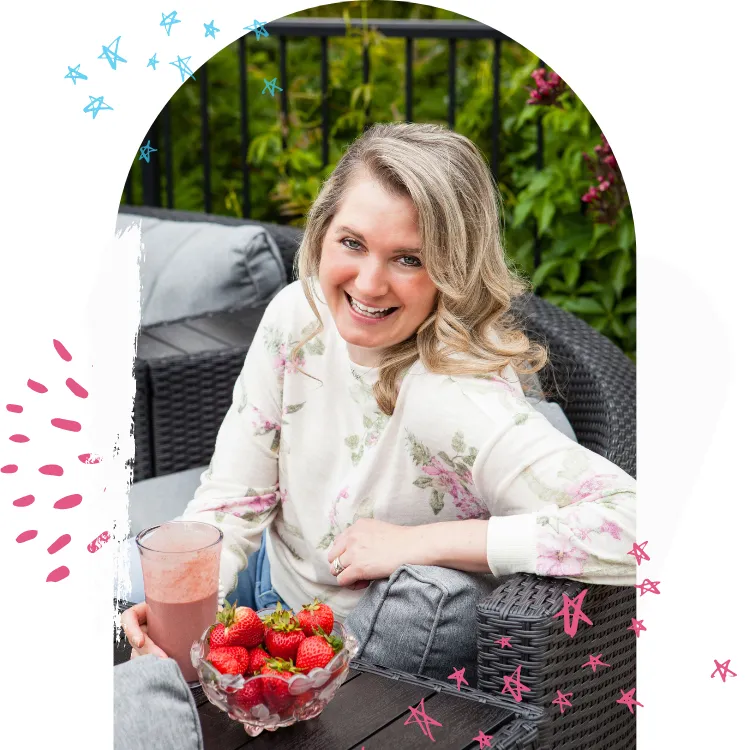
What Even is Perimenopause?
Think of it like the winding (and sometimes bumpy) road leading up to menopause. It usually kicks off in your 40s—but for some women, it can start even earlier.
Hormone shifts during this time can cause symptoms like:
✅Hot flashes that hit out of nowhere
✅Mood swings that rival your teen years
✅Night sweats, brain fog, and libido plot twists
✅Irregular periods that love to keep you guessing
Sound familiar?
It can feel like your body’s rewriting the script without telling you—but here’s the thing:
You’re not broken. You’re transitioning. And it’s completely normal.
The key is having the right tools, support, and knowledge to navigate it with more clarity (and a lot less confusion).
Hi, I'm Kim
Holistic Nutritionist. Certified Menopause Coaching Specialist. Midlife truth-teller.
I’ve been where you are—confused, exhausted, and wondering if I was the only one Googling “why do I feel like a hormonal alien?” at 3AM.
Now, I help women in midlife ditch the guesswork and get real support for their hormones, health, and emotional well-being. My approach blends science-backed tools, mindset shifts, and plenty of permission to not have it all together!
This isn’t just about surviving perimenopause.
It’s about reclaiming your energy, your mood, your body—and your joy.
My Approach: Real Support, Real Women, Real Results
Let’s be real—midlife health advice often feels like it was written for 25-year-olds with zero hormone chaos and unlimited time. That’s not you. And it’s definitely not me.
Here’s what I believe:
✅You don’t need to “push through” or “just deal with it.”
✅Your symptoms aren’t in your head—they’re in your hormones.
✅Real change happens when we stop judging ourselves and start supporting ourselves (with food, movement, rest, and compassion).
As a Holistic Nutritionist and Menopause Coaching Specialist, I focus on science-backed strategies
blended with grace, humor, and zero shame. Whether you’re dealing with mood swings, fatigue, or a libido that ghosted you—there’s a way forward.
My work isn’t about perfection—it’s about giving your body what it needs and your mind the space to catch up.
From the Blog: Real Talk for Real Hormones
No fluff. No fear-mongering. Just science-backed advice, cheeky encouragement, and the kind of midlife support you actually want to read. Whether you're riding the emotional rollercoaster or wondering if brain fog is your new personality—I've got you.
Why Is My Period So Heavy in Perimenopause? Hormones, Causes & What Helps
Why Is My Period So Heavy in Perimenopause? Hormones, Causes & What Helps
“When you’re young, there’s so much now that you can’t take it in. It’s pouring over you like a waterfall. When you’re older, it’s less intense, but you’re able to reach out and drink it. I love being older.” ~Sigourney Weaver
If your period has suddenly gone rogue; heavier, longer, messier, and completely unpredictable... welcome to one of the least talked about parts of perimenopause.
Heavy bleeding during perimenopause is common, but that doesn’t mean it’s easy, harmless, or something you should just “push through.” For many women, it’s exhausting, anxiety-provoking, and downright life-disrupting.
Let’s talk about why this happens, what’s actually going on hormonally, and when it’s time to stop being brushed off and start getting real support.
What Counts as Heavy Bleeding in Perimenopause?
Heavy bleeding isn’t just about inconvenience. It may look like:
Bleeding that lasts longer than 7–10 days
Needing to change pads, tampons, or cups very frequently
Passing large clots
Short cycles (bleeding every 2–3 weeks)
Feeling unusually fatigued, weak, or drained
If your period is dictating your schedule, or your anxiety, that’s a sign your body needs attention.
Why Perimenopause Can Trigger Heavy Periods
Perimenopause is marked by hormonal unpredictability, especially involving estrogen and progesterone. And this rollercoaster is often the root of heavy bleeding.
Estrogen Surges
Estrogen doesn’t gently decline in perimenopause - it spikes and dips. When estrogen runs high, it stimulates the uterine lining to grow thicker than usual.
Progesterone Drops
Progesterone is produced after ovulation, but ovulation becomes irregular in perimenopause. Less ovulation means less progesterone, which normally helps balance estrogen.
Anovulatory Cycles
When ovulation doesn’t occur, the uterine lining continues to build. Eventually, when it sheds, bleeding can be heavier, longer, and more intense.
This estrogen-dominant pattern is one of the most common drivers of heavy bleeding during the menopause transition.
Other Causes Doctors May Want to Rule Out
While hormones are often the main culprit, healthcare providers may also investigate:
Uterine fibroids or polyps
Thyroid imbalances
Iron deficiency or anemia
Structural changes in the uterus
Conditions unrelated to perimenopause
If bleeding becomes sudden, extreme, or is paired with dizziness, shortness of breath, or deep exhaustion, further testing matters.
When to Advocate for Testing or Support
You deserve more than “this is normal.”
Talk to your healthcare provider about:
Blood work (including iron and ferritin)
Hormone evaluation when appropriate
Pelvic ultrasound if bleeding is severe or escalating
Treatment options - not just reassurance
And if you feel dismissed? It’s okay to seek another opinion. Perimenopause symptoms are real, measurable, and treatable.
This Isn’t Just Hormones - It’s Real Life
For many women, heavy bleeding isn’t just a medical explanation; it’s deeply disruptive.
I know this personally. Heavy bleeding became one of the most overwhelming parts of my own perimenopause journey, affecting my sleep, energy, confidence, and daily life in ways I never expected.
I share my full experience - the fear, the exhaustion, and what finally helped, here:
👉 So. Much. Blood. My Real-Life Fix for Heavy Bleeding in Perimenopause
If you’re craving real talk alongside real options, that story may help you feel less alone.
Treatment Options for Heavy Bleeding in Perimenopause
There’s no one-size-fits-all solution, but common paths may include:
Progesterone support (oral or localized)
Hormonal IUDs
Medications to reduce bleeding
Surgical options in specific cases
Nutrition and lifestyle support to protect energy and iron levels
What matters most is finding an approach that fits your body and your life.
Final Thoughts: You’re Not Imagining This
Heavy bleeding during perimenopause is common - but that doesn’t mean you should ignore it or suffer through it.
If something feels off, listen.
If you’re exhausted, speak up.
If you’re being dismissed, keep advocating.
And if you want support beyond symptom-spotting - a place to slow down, make sense of what your body is doing, and reconnect with yourself during this transition, that’s exactly why I created Dear Hormones.
👉 Learn more about Dear Hormones here
Hormonally yours,
Kimberlee Erin
Just a heads-up: I’m a Certified Menopause Coaching Specialist and Holistic Nutritionist. This content is for educational purposes only and isn’t a substitute for medical advice. Always check in with your healthcare provider before starting new supplements, hormones, or treatments — your body deserves personalized care.

Meeting Kim was a turning point in my perimenopause journey. I was overwhelmed by the constant fatigue and emotional ups and downs. Kim’s holistic approach helped me understand what my body was going through. Her personalized nutrition plans and stress management techniques have been a lifesaver. I now feel more balanced and in control of my health. Kim's support has been nothing short of amazing.
- LIZ
FREE DOWNLOAD