The Blog
Mood, Mind & Emotions
Ever feel like you’re laughing one minute and sobbing into your cereal the next? Perimenopause doesn’t just mess with your body—it can shake up your mind and mood, too. This space is all about navigating the emotional waves with compassion, science, and a side of sass. You’re not “too sensitive”—you’re hormonal (and still a badass).
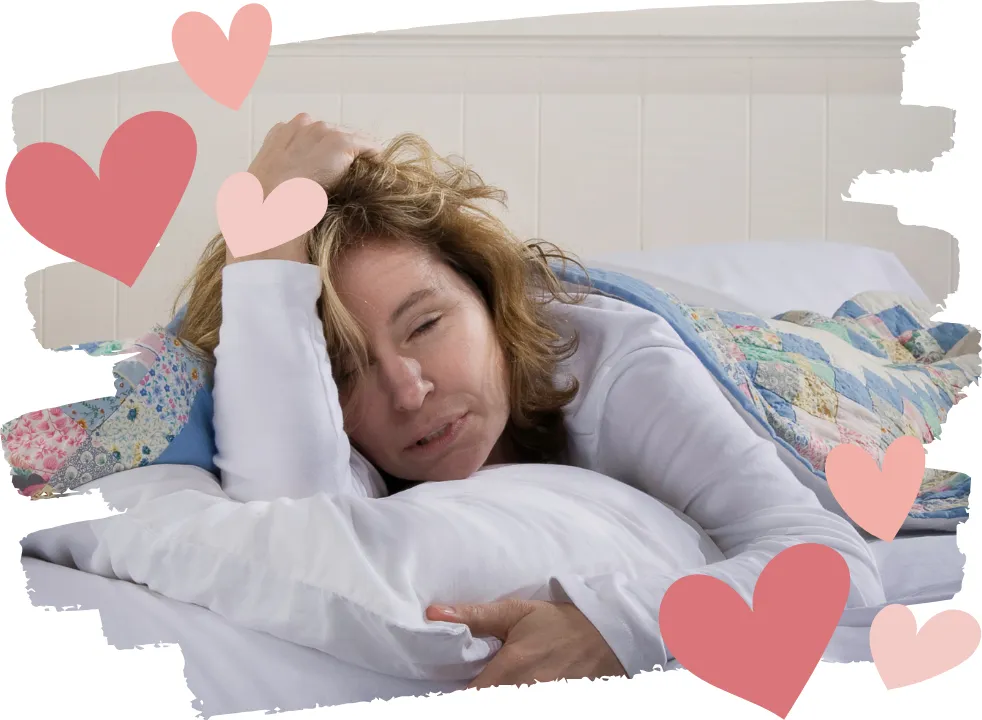
The Hangover You Didn’t See Coming: Why Midlife Women Outgrow Alcohol
✨ The Go-To Hormone-Loving Meal Guide: Simple, Supportive Meals for Perimenopause ✨
When food decisions feel exhausting, this helps.
👉 Download the free guide!
✨ Perimenopause Power Moves: 5 Simple Nutrition Shifts to Help You Feel Like Yourself Again! ✨
Grab your free guide today!
👉 Download Now!
The Hangover You Didn’t See Coming: Why Midlife Women Outgrow Alcohol
“What used to take the edge off now feels like it is the edge.”
There was a time when a glass (or three) of wine felt like self-care.
A little reward for surviving the day, the week, the decade.
It was the signal that the kitchen was closed, the to-do list could wait, and I could finally exhale.
Except—somewhere along the way, that glass stopped giving what it promised.
Instead of relaxing me, it started revving me up.
My sleep went out the window, my anxiety spiked, and I woke up feeling like I’d been hit by both a truck and a tornado of regret.
If this sounds familiar, you’re not broken—and you’re definitely not alone.
For many women in perimenopause, alcohol becomes the sneaky frenemy no one warned us about.
Our changing hormones, shifting metabolisms, and frazzled nervous systems make even one drink feel like too much.
It’s not your imagination.
As estrogen and progesterone fluctuate, the way your body processes alcohol completely changes.
What once felt like harmless “wine o’clock” now throws off your sleep, spikes cortisol, and sends your blood sugar (and mood) on a rollercoaster ride.
The truth? You’re not failing at fun—you’re evolving past what no longer serves you.
In this post, we’ll unpack why alcohol suddenly feels like public enemy number one in midlife, how it messes with your hormones, and the surprisingly beautiful clarity that comes when you start listening to your body instead of pouring another glass.
The Midlife Body Shift — Why Alcohol Hits Harder Now
Remember when you could sip margaritas on a patio and wake up fresh as a daisy?
Yeah, those days disappeared faster than your estrogen levels.
Here’s what’s really going on.
As women enter perimenopause, our hormones start fluctuating wildly—and those shifts change how we metabolize alcohol. Estrogen and progesterone both affect liver enzymes and fluid balance. When they dip and surge unpredictably, your liver struggles to clear alcohol as efficiently. Translation: you stay intoxicated longer, your hangovers hit harder, and your “just one glass” suddenly feels like a full-blown bender.
But it’s not just about detox. Alcohol directly disrupts cortisol, the stress hormone that already runs the show during midlife. Cortisol spikes when you drink, then crashes hours later—leaving you wired at 3 a.m. and dragging by morning. Add that to the blood-sugar rollercoaster alcohol causes (especially with wine and cocktails), and your once-calming ritual now fuels irritability, anxiety, and next-day exhaustion.
Sleep? Forget it. Alcohol might knock you out fast, but it suppresses REM sleep—the deep, restorative kind your perimenopausal brain desperately needs. That’s why even small amounts leave you tossing, turning, and wide-awake with racing thoughts.
And let’s talk metabolism. Lower estrogen means slower fat burning and increased insulin resistance. So when alcohol floods your system, your body prioritizes breaking it down before burning fat or balancing blood sugar. Cue: stubborn midsection weight gain, bloating, and that puffy, “ugh-what-happened-to-my-face” feeling.
In short: your body isn’t betraying you—it’s begging for a truce. The same glass that once relaxed you now hijacks your hormones, drains your energy, and leaves your nervous system begging for mercy.
When midlife hits, your tolerance for nonsense—and for alcohol—both drop dramatically. And that’s not a bad thing. It’s your body’s way of saying: we’ve evolved.
The Emotional Side — What We Were Really Drinking For
Here’s the truth most of us don’t talk about:
It was never really about the wine.
It was about relief.
About shutting down the mental chatter, softening the edges of the day, and finally—just for a moment—feeling off duty.
For so many midlife women, that nightly pour wasn’t about celebration; it was survival. Between hormone chaos, parenting teens (or aging parents), career stress, and the invisible workload we’ve been carrying for decades, our nervous systems are fried.
Add fluctuating estrogen and progesterone—both of which play major roles in mood regulation—and it’s no wonder we reach for something to quiet the noise. Alcohol works fast because it mimics GABA, your brain’s calming neurotransmitter. The problem? It’s a short-term fix that makes long-term balance impossible.
Here’s the kicker: alcohol actually depletes serotonin and GABA over time, which is why anxiety, depression, and irritability skyrocket the day after drinking. That’s not just “midlife moodiness”—it’s chemistry.
And when you’re in perimenopause, your brain is already recalibrating those same neurotransmitters. So every glass of wine piles stress on top of stress, pushing your system further into dysregulation. You’re left more anxious, more tired, and more disconnected from the calm you were craving in the first place.
If you’ve ever poured a glass to take the edge off, only to wake up with more edges the next morning, you’re not weak—you’re human. You were soothing a nervous system running on fumes.
But here’s the beautiful part: once you start listening to what your body and emotions are really asking for—rest, connection, safety, support—the need for alcohol starts to fade. You realize it wasn’t the wine that was missing all along. It was you.
The Science of Sobriety — Why Cutting Back Feels So Good
Here’s the secret no one tells you about sobriety in perimenopause: it’s not about deprivation. It’s about liberation.
When you stop pouring alcohol into a hormonally sensitive system, your body doesn’t just thank you—it transforms.
Within a few short weeks of cutting back (or cutting it out), many midlife women notice massive shifts. Sleep deepens. Skin clears. The bloating and brain fog start to lift. But the biggest change? The mood swings and anxiety that once felt unmanageable suddenly lose their grip.
That’s because alcohol messes with nearly every hormone you’re trying to stabilize. Once it’s gone, your body can finally focus on balance again.
Cortisol (your stress hormone) begins to regulate, which means fewer 3 a.m. wake-ups and less next-day fatigue.
Insulin sensitivity improves, making weight management easier.
Estrogen metabolism normalizes, reducing bloating and inflammation.
And your neurotransmitters—especially serotonin and dopamine—start firing properly again, restoring motivation and calm.
It’s not magic. It’s biology finally working with you instead of against you.
Even your liver, that overworked midlife MVP, gets a much-needed break. It shifts from processing toxins to converting hormones and regulating metabolism—crucial work when you’re navigating the ups and downs of perimenopause.
And then there’s the energy. Oh, the energy. When you stop numbing and start nourishing—through protein-rich meals, hydration, movement, and rest—you tap into a version of yourself you probably haven’t met in years.
No more guilt. No more “I’ll start Monday.” Just quiet confidence and the kind of clarity that comes when your hormones, brain, and nervous system finally get the memo that you’re on their side.
Sobriety isn’t about missing out. It’s about waking up to your full potential—clear-eyed, rested, and ready to take on midlife like the powerhouse you are.
The Hangover You Don’t Talk About — Emotional Clarity & Growth
No one warns you about this kind of hangover.
Not the pounding-head, dry-mouth, need-a-greasy-breakfast kind.
The emotional one—the raw, unfiltered clarity that shows up when the noise finally fades.
When you stop drinking (or even cut way back), it’s not just your hormones that rebalance. Your feelings come back online, too. And for midlife women, that can be both beautiful and brutally honest.
For years, alcohol helped us blur the edges of exhaustion, resentment, loneliness, or anxiety. But once it’s gone, those emotions rise to the surface asking to be seen. It’s not weakness—it’s healing.
In perimenopause, emotional regulation is already harder thanks to fluctuating estrogen and progesterone—both linked to serotonin and mood stability. So when the buffer (a.k.a. wine) disappears, what’s left is the truth. The tough conversations we avoided. The unmet needs. The dreams we shelved while caring for everyone else.
This is where the real recovery happens—not just from alcohol, but from everything we’ve been numbing, denying, or postponing.
Here’s the good news: when you face those feelings instead of drowning them, you build resilience from the inside out.
Your nervous system begins to trust you again.
Your self-worth isn’t measured by what you poured but by what you’ve processed.
You start to realize that the version of you emerging—the one who sits with discomfort, who feels it all, who chooses presence over escape—is stronger, softer, and infinitely more alive.
Because the truth is, the hangover you didn’t see coming might just be the wake-up call you needed.
From Wine-Down to Wind-Up — What to Try Instead
So what happens when you take away your nightly “wine-down” ritual?
You replace it with something that actually winds you down.
Because your body isn’t asking for a buzz — it’s asking for relief.
And there are far better ways to give it that.
Here are a few swaps that support both your hormones and your nervous system during perimenopause:
🫖 Create a calming ritual. Try an evening mocktail with sparkling water, electrolytes, and a splash of tart cherry juice (bonus: it boosts melatonin and sleep quality).
🧘♀️ Move your body gently. Swap scrolling and sipping for a short walk, a few restorative yoga poses, or deep breathing to lower cortisol and release tension.
📓 Journal it out. Let your emotions have a voice. Even five minutes of “brain dumping” can help you process the day and prevent the 3 a.m. overthinking spiral.
🌙 Nourish your calm. Focus on steady blood sugar and nervous system support—think protein, fiber, magnesium, B vitamins, and omega-3s. (Your midlife body will thank you.)
And if you’re thinking, “That sounds great, but where do I even start?”—you’re exactly where you need to be.
Perimenopause isn’t asking you to be perfect. It’s inviting you to listen—to your body, your energy, and that quiet voice that’s been whispering I want to feel better than this.
You don’t need another drink to relax.
You need a reset that actually works.
✨ Start here: The Midlife Reset: A Self-Care Workbook for Every Stage of the Menopause Transition
Your free guide to calming your mind, rebuilding your energy, and creating rituals that refill your cup (no corkscrew required).
Conclusion: You’re Not Losing Your Fun — You’re Finding Your Freedom
If alcohol has started feeling less like a treat and more like a trap, that’s not a moral failing — it’s biology mixed with awakening.
Your body, brain, and hormones are all evolving, asking for something gentler, steadier, more real.
Maybe that looks like deeper sleep, clearer mornings, or finally trusting yourself to handle life without numbing it. Maybe it’s remembering what genuine joy — not the kind poured from a bottle — actually feels like.
You’re not giving anything up. You’re gaining everything that was waiting underneath the fog: energy, peace, confidence, and connection.
Because the hangover you didn’t see coming? It’s also the beginning of the healing you didn’t know you needed.
✨ Ready to reconnect with your body and rewrite your hormone story?
Start with Dear Hormones — your guided journal for reflection, awareness, and renewal through the menopause transition. Each prompt helps you release shame, listen to your body, and rediscover who you’re becoming on the other side of midlife change.
If you want to dig deeper into how alcohol affects your hormones and anxiety levels, don’t miss:
👉 The Truth About Alcohol & Perimenopause: Why Your Glass of Wine Hits Differently Now
👉 Boozy Betrayal: How Alcohol Fuels Anxiety in Perimenopause
Together, these reads paint a powerful picture of what’s really going on beneath the surface — and how freeing it feels to live without the fog.
Hormonally yours,
Kimberlee Erin
Just a heads-up: I’m a Certified Menopause Coaching Specialist and Holistic Nutritionist, and while I love sharing what’s worked for me and my clients, this blog is for informational purposes only. It’s not a substitute for medical advice. Always check in with your healthcare provider before starting new supplements, hormones, or treatments—especially since every woman’s perimenopause journey is different. You deserve personalized care that truly fits you.

Free Download
Perimenopause Power Moves: Transform Your Hormones and Health!
Feeling overwhelmed by perimenopause? You’re not alone. Get my free guide, and gain the confidence to manage your symptoms effectively.
Packed with practical advice and expert tips, this guide will help you balance your hormones, reduce stress, and improve your well-being.
Download your copy today and start your journey towards a smoother, more empowered transition.