
Is Perimenopause Running the Show (and Not Letting You Read the Script)?
Let’s change that—starting today.
Perimenopause can feel like a full-time job no one trained you for. The mood swings. The fatigue. The 3AM anxiety spirals. Sound familiar?
You don’t have to do this alone—and you shouldn’t
have to piece it together from late-night Google searches. That’s why I created these free guides to help you cut through the chaos and start feeling like you again.
Grab one now and get real-life tools to support your hormones, energy, mood, and more.

What Even is Perimenopause?
Think of it like the winding (and sometimes bumpy) road leading up to menopause. It usually kicks off in your 40s—but for some women, it can start even earlier.
Hormone shifts during this time can cause symptoms like:
✅Hot flashes that hit out of nowhere
✅Mood swings that rival your teen years
✅Night sweats, brain fog, and libido plot twists
✅Irregular periods that love to keep you guessing
Sound familiar?
It can feel like your body’s rewriting the script without telling you—but here’s the thing:
You’re not broken. You’re transitioning. And it’s completely normal.
The key is having the right tools, support, and knowledge to navigate it with more clarity (and a lot less confusion).
Hi, I'm Kim
Holistic Nutritionist. Certified Menopause Coaching Specialist. Midlife truth-teller.
I’ve been where you are—confused, exhausted, and wondering if I was the only one Googling “why do I feel like a hormonal alien?” at 3AM.
Now, I help women in midlife ditch the guesswork and get real support for their hormones, health, and emotional well-being. My approach blends science-backed tools, mindset shifts, and plenty of permission to not have it all together!
This isn’t just about surviving perimenopause.
It’s about reclaiming your energy, your mood, your body—and your joy.

My Approach: Real Support, Real Women, Real Results
Let’s be real—midlife health advice often feels like it was written for 25-year-olds with zero hormone chaos and unlimited time. That’s not you. And it’s definitely not me.
Here’s what I believe:
✅You don’t need to “push through” or “just deal with it.”
✅Your symptoms aren’t in your head—they’re in your hormones.
✅Real change happens when we stop judging ourselves and start supporting ourselves (with food, movement, rest, and compassion).
As a Holistic Nutritionist and Menopause Coaching Specialist, I focus on science-backed strategies
blended with grace, humor, and zero shame. Whether you’re dealing with mood swings, fatigue, or a libido that ghosted you—there’s a way forward.
My work isn’t about perfection—it’s about giving your body what it needs and your mind the space to catch up.
From the Blog: Real Talk for Real Hormones
No fluff. No fear-mongering. Just science-backed advice, cheeky encouragement, and the kind of midlife support you actually want to read. Whether you're riding the emotional rollercoaster or wondering if brain fog is your new personality—I've got you.
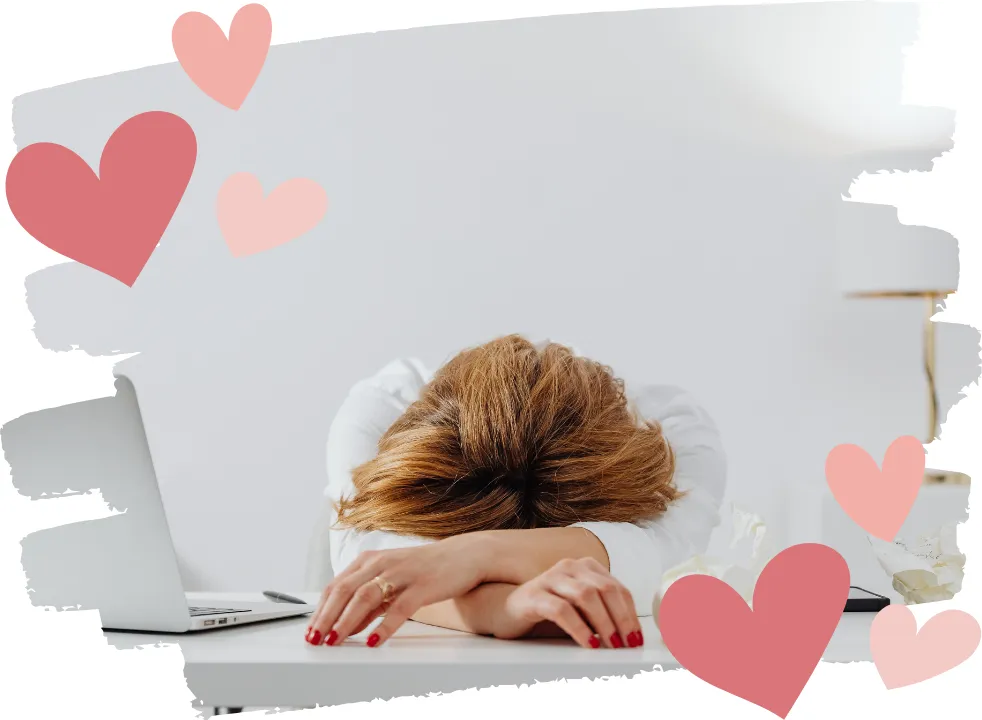
The Midlife Crash: Why You’re So Damn Tired (Even When You Sleep)
The Midlife Crash: Why You’re So Damn Tired (Even When You Sleep)
Understanding perimenopause fatigue, midlife energy crashes, and the hormonal chaos behind your exhaustion
“I believe whole-heartedly that age is a mindset. Biological age is what it is, but I truly believe it’s more about how you feel- how you feel in your body and how you feel about your body.”
~ Jennifer Grey
You know that bone-deep exhaustion that hits so hard you wonder if your soul also needs a nap?
Yeah. Welcome to perimenopause fatigue.
It’s the kind of tired that shows up even after eight hours of “sleep,” even after you skip the wine (if alcohol worsens your sleep, you’ll love this one: The Hangover You Didn’t See Coming, even after you swear you’re doing everything right. It’s the tired that makes everyday things feel… heavier.
And if you’ve been thinking,
“Is it just me?”
It’s not just you. Your hormones are throwing an energetic tantrum.
Here’s why midlife exhaustion hits differently... and what actually works.
🌙 1. Your Sleep Is Lying to You (Thanks, Hormones)
Here’s the sneaky part:
You might think you’re sleeping… but your hormones disagree.
As estrogen and progesterone fluctuate, your brain struggles to stay in deep, restorative sleep.
That looks like:
Waking up at 2–4 AM
Ruminating until sunrise
Night sweats
Choppy, light sleep
“Tired but wired” mornings
If sleep is falling apart for you (hi, most women in perimenopause), you’ll find comfort (and tools) in Dear Hormones, Let’s Talk.
🔥 2. Cortisol Is Now Running the Show
When estrogen drops, your nervous system becomes more sensitive.
Your fight-or-flight switch stays half-on - not panic, but never fully relaxed.
Elevated cortisol causes:
Morning anxiety
Mid-afternoon crashes
Cravings
Restless sleep
Feeling overstimulated by nothing
And if you’ve been wondering why you suddenly can’t handle as much stress, this is exactly why — your nervous system is more reactive during perimenopause.
🍬 3. Blood Sugar Swings = Midlife Energy Rollercoaster
In perimenopause, your insulin sensitivity shifts, which means your body can’t handle carbs as smoothly as it used to.
If breakfast is low in protein or fiber?
You get the classic perimenopause energy curve:
Spike → crash → exhaustion → cravings.
Common symptoms:
Irritability
Shakiness
Foggy brain
Needing a nap before lunch
Emotional “crash hunger”
This is why I preach:
Protein + fiber + healthy fats. Every single meal.
It’s not a diet rule - it’s an energy protection strategy.
💪 4. Your Muscles Need More Love Now (Even If You’re Active)
Here’s the part no one tells us:
Starting in your mid-30s, you naturally lose muscle mass.
And muscle is one of your biggest energy reserves.
Less muscle =
Slower metabolism
Slower recovery
More aches
Heavier fatigue
If your body suddenly feels stiff, sore, or older than usual, you’ll want to read:
Why Your Body Suddenly Hurts Everywhere After 40
😵💫 5. Inflammation Goes Up, Energy Goes Down
Hormone swings increase inflammation - especially if you’re sensitive like me.
Inflammation can show up as:
Joint pain
Burning mouth syndrome (my current issue)
Muscle soreness
Bloating
Brain fog
And yes, inflammation drains energy constantly behind the scenes.
🔥 What Actually Helps (The Real Strategy)
1. Start your morning with 30–40g protein
Midlife energy is a blood-sugar game, and protein is your anchor. It steadies glucose so you don’t get that spike-and-crash that leaves you hunting for caffeine or sugar by 10 AM.
Why it matters now:
Estrogen affects insulin sensitivity - when estrogen drops, your body handles carbs differently.
Protein slows digestion, stabilizes mood, supports muscle repair, and keeps cravings away.
High-protein breakfasts reduce afternoon crashes dramatically.
How to do it:
Eggs + turkey sausage
Greek yogurt + hemp hearts
Protein smoothie (great for busy mornings)
Tofu scramble
If you want help getting started, the Protein Power Challenge walks you through it step-by-step.
2. Strength train 2–3x/week
Strength training isn’t just about muscles - it’s one of the biggest gifts you can give your future bones. As estrogen declines, bone density naturally drops faster, which is why so many women start noticing stiffness, aches, or a general “I feel creaky” vibe in their 40s.
Why it’s essential in midlife:
Muscle is an energy-producing organ - more muscle = more steady energy
Strength training improves insulin sensitivity
Helps reduce inflammation
Supports metabolism
Boosts mood and cognitive function
Builds stability, which prevents falls
Creates mechanical stress on bones, which is how bones stay strong
Here’s the part most women never get told:
Bones respond to pressure. When you lift weights, your bones get the signal to remodel, rebuild, and stay dense. Without that stimulus, bone loss accelerates - even if you're eating well or taking supplements.
Strength training literally tells your bones:
“Hey, we still need you strong. Don’t go anywhere.”
What counts:
Dumbbells
Resistance bands
Bodyweight exercises
Machines
Short but consistent sessions
You don’t need hour-long workouts. You just need progressive resistance - lifting a little heavier over time so both muscles and bones stay strong and resilient.
3. Walk daily
Walking is a simple but potent tool for regulating cortisol, improving circulation, and supporting your nervous system.
Why it helps:
Lowers stress hormones
Improves digestion
Boosts mental clarity
Supports lymphatic drainage
Lightly energizes without overstimulation
Even 10–20 minutes can make a noticeable difference.
4. Balance every plate
This combination keeps your blood sugar steady, which keeps your energy, appetite, and mood steadier too.
Why this trio works:
Protein gives long-lasting energy
Fiber supports gut health and hormone metabolism
Healthy fats help with satiety and hormone production
Balanced meals = balanced energy.
5. Support your sleep
Sleep becomes harder in perimenopause - not because you’re doing anything wrong, but because hormones directly influence sleep architecture.
Habits that help:
Morning sunlight to reset your circadian rhythm
Earlier bedtime to support hormonal timing
Screens off sooner to lower cortisol
A light, protein-rich snack if you wake up hungry
Hydrating during the day instead of late at night
Small changes can create surprising improvements.
6. Hydrate like it’s your part-time job
Dehydration is a silent energy killer in midlife — and it’s far more common than most women realize.
Why hydration is essential now:
Estrogen affects fluid balance
You naturally retain less water
Dehydration heightens cortisol and inflammation
Adding electrolytes can support hydration and help steady your energy, especially if you wake up tired despite drinking enough water.
7. Reduce alcohol
Even a small amount of alcohol can fragment your sleep, spike cortisol, increase inflammation, and leave you feeling drained the next day.
What improves when you cut back:
Deeper sleep
Fewer 3 AM wakeups
More stable mood
Better morning energy
Reduced anxiety
It’s one of the quickest ways to feel better.
Check out The Truth About Alcohol & Perimenopause: Why Your Glass of Wine Hits Differently Now
8. Consider hormone testing + support
Hormones influence nearly every part of your energy system - from sleep to stress response to muscle recovery.
Why it matters:
Progesterone supports sleep and calms the nervous system
Estrogen impacts energy, joints, and brain function
Testosterone influences motivation, muscle, and drive
Thyroid shifts can mimic perimenopause fatigue
Hormone therapy has made a huge difference in my sleep and daily energy. Everyone’s needs are different, but understanding your levels gives you clarity - and options.
💗 The Bottom Line
You’re not lazy.
You’re not losing it.
You’re not imagining it.
You’re experiencing perimenopause fatigue, and it’s real.
But it’s also absolutely solvable.
With the right nutrition, strength training, sleep support, hydration, and hormone awareness, your energy can come back - in a big way.
You deserve that.
📌 Want more support?
Women are loving these right now:
Hormonally yours,
Kimberlee Erin
Just a heads-up: I’m a Certified Menopause Coaching Specialist and Holistic Nutritionist, and while I love sharing what’s worked for me and my clients, this blog is for informational purposes only. It’s not a substitute for medical advice. Always check in with your healthcare provider before starting new supplements, hormones, or treatments—especially since every woman’s perimenopause journey is different. You deserve personalized care that truly fits you.

Meeting Kim was a turning point in my perimenopause journey. I was overwhelmed by the constant fatigue and emotional ups and downs. Kim’s holistic approach helped me understand what my body was going through. Her personalized nutrition plans and stress management techniques have been a lifesaver. I now feel more balanced and in control of my health. Kim's support has been nothing short of amazing.
- LIZ
FREE DOWNLOAD